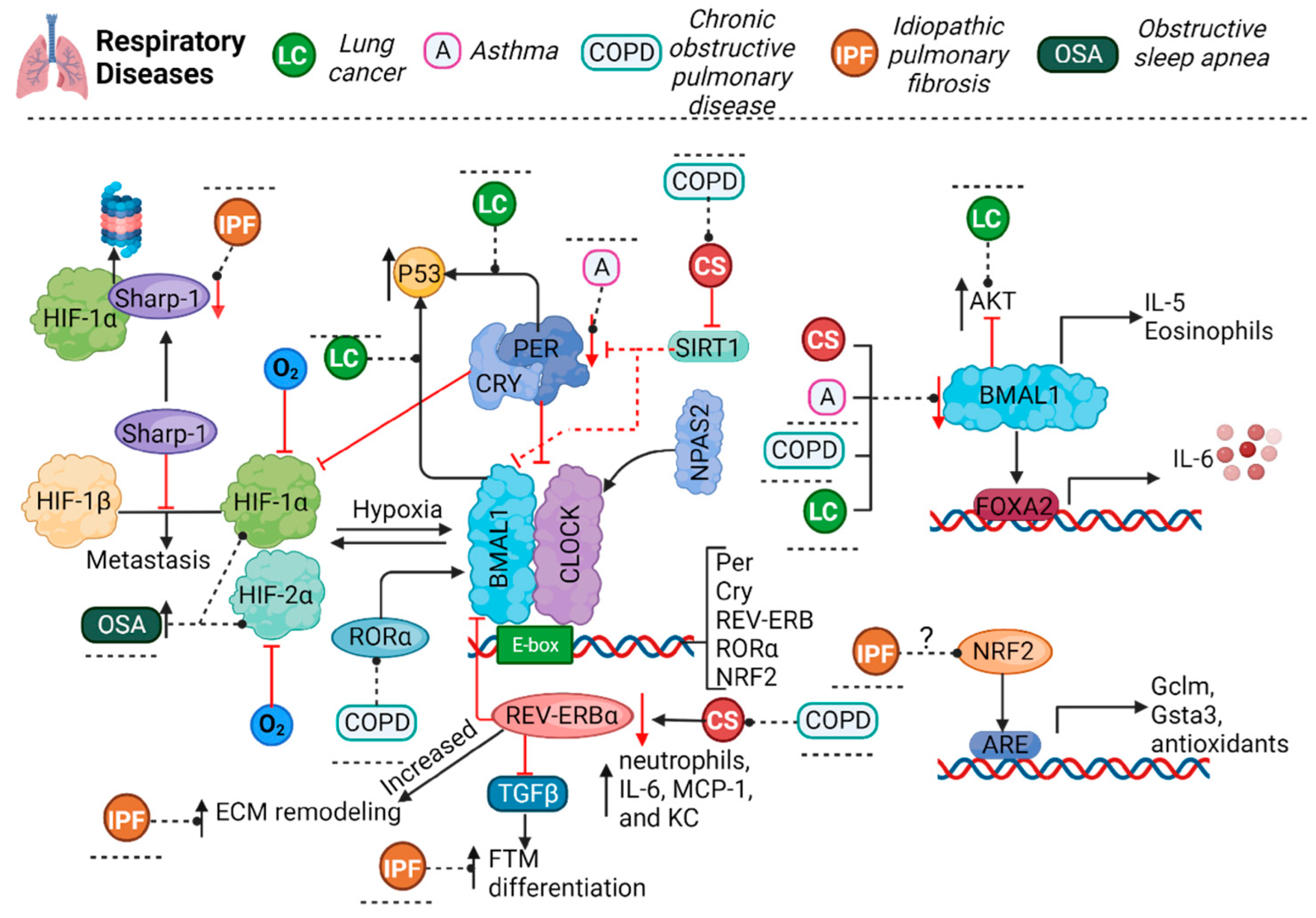
Hypoxia Modulates Cellular Endocytic Pathways and Organelles with Biology Diagrams

Hypoxia Modulates Cellular Endocytic Pathways and Organelles with Biology Diagrams The hypoxia response mounted by the HIFs promotes cell survival and energy conservation. As such, this response has to deal with important cellular process such as cell division. In this review, the integration of oxygen sensing with the cell cycle will be discussed.

The expression of genes regulating the response to hypoxia—Hif1a, Epas1, Hif3a, and Vegf—inflammation—Nfkb, Il1b, Il6, Tnfa, Il10, and Tgfb—and the cell cycle and apoptosis—Trp53, Pten, Cmet, Egf, Egfr, Pcna, Mki67, and Bax, Bcl2—as well as genes encoding the epithelial barrier components—Muc1, Muc13, Cldn2, and Cldn7—in the

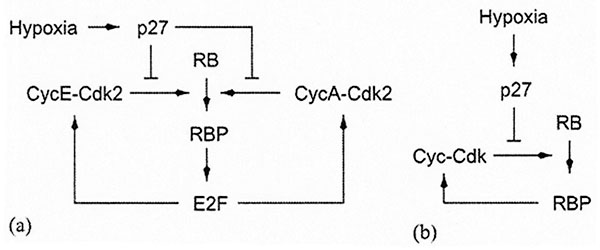
Role of Hypoxia in the Control of the Cell Cycle Biology Diagrams
In addition, we discuss how the cell cycle can alter the hypoxia response. Overall, the cellular response to hypoxia and the cell cycle are linked through a variety of mechanisms, allowing cells to respond to hypoxia in a manner that ensures survival and minimal errors throughout cell division. Keywords: hypoxia, cell cycle, HIF, PHDs, 2-OGDs
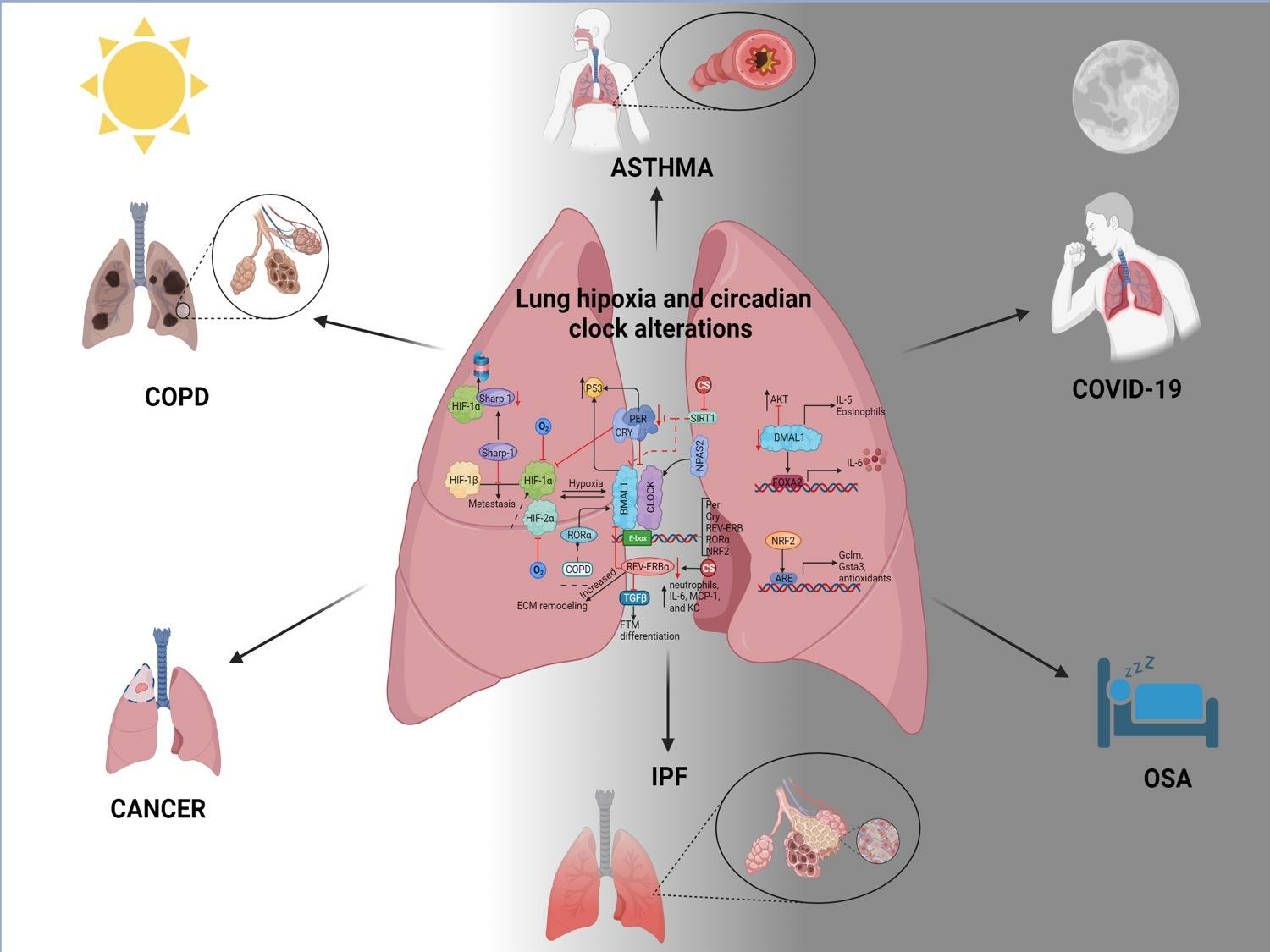
The transcriptional response to hypoxia and the role of hypoxia inducible factors have been extensively studied. Yet, hypoxic cells also adapt to hypoxia by modulating protein synthesis
Cellular adaptation to hypoxia through hypoxia inducible factors and ... Biology Diagrams
HIFs bind to hypoxia response elements (HREs) in the promoter regions of a large number of targets, including those involved in cell survival, angiogenesis, glycolysis, and invasion/metastasis. Certain mutations in TSC2 confer a growth advantage to cells by repressing hypoxic mTORC1 inhibition and hypoxia-induced cell cycle arrest 135.